
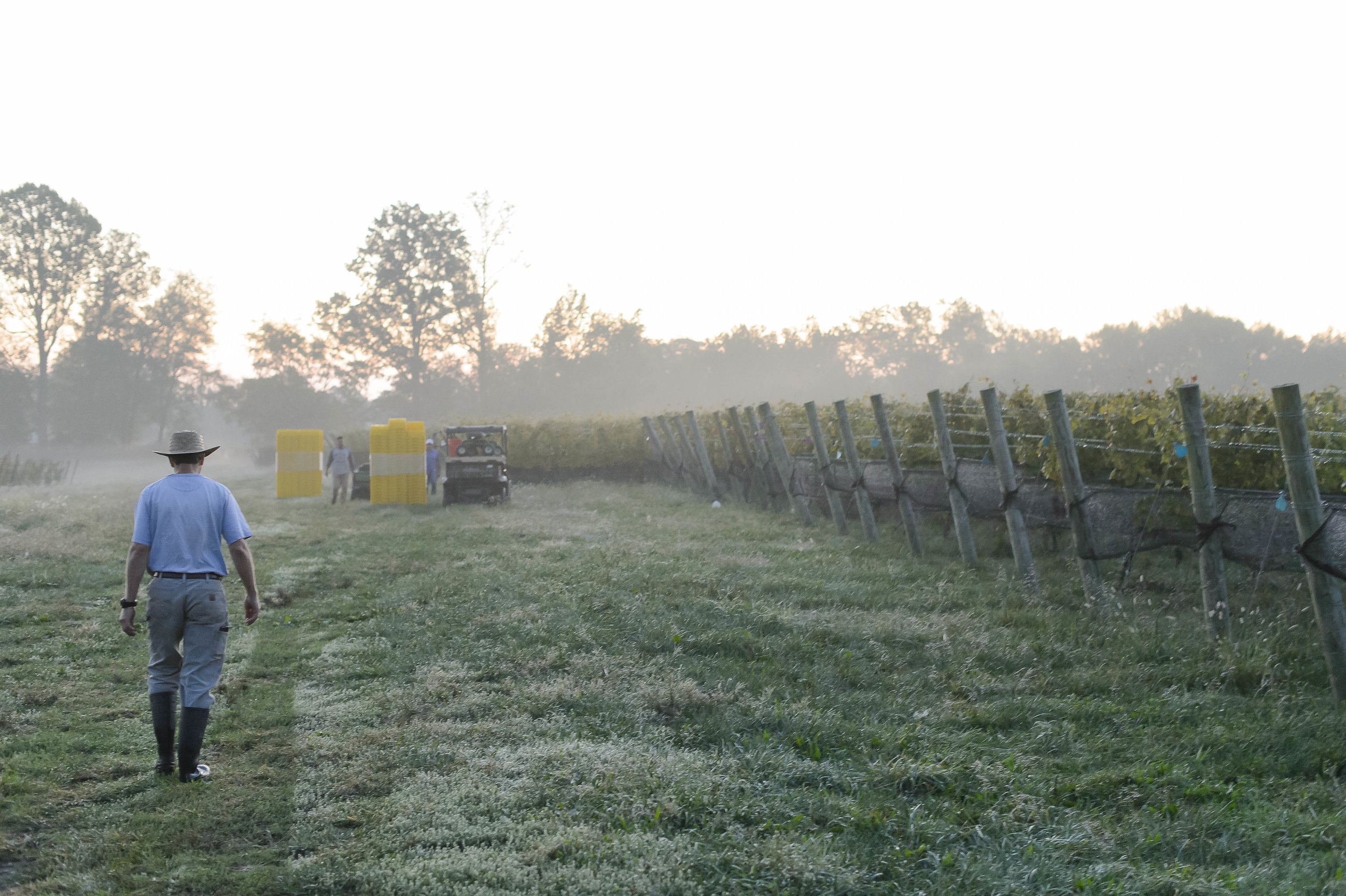
THE VINEYARDS AT DODON
Wine that is the product of our relationship with nature.A family farm and estate winery in Davidsonville, Maryland — just 16 miles from Annapolis. Everything in the glass starts and ends right here on the property. Tastings by appointment, Friday through Sunday.
At Dodon, we take our cues from nature, science, and the generations who tended the land before us. More than half of our 43 acres belong to the meadows, hedgerows, and native plantings that make everything else possible. Grazing livestock, native cover crops, and thriving pollinator habitat restore the soil, protect the vines, and remove more than 250 tons of carbon from the atmosphere each year. Our chemical and physical footprint has declined dramatically, while biology flourishes. The wines keep getting better. At Dodon, a resilient ecosystem and a remarkable vintage aren't in tension — they're the same goal.
OUR MISSION
From the beginning, our mission has been to produce wines that reflect our community. The Chesapeake region is a demanding place to grow wine. We think that's exactly the point. Carefully tended vines, a climate that keeps us honest, and a genuine curiosity about what this place can produce — that's what goes into every bottle. The terroir here is hard-won, and the wines are better for it.
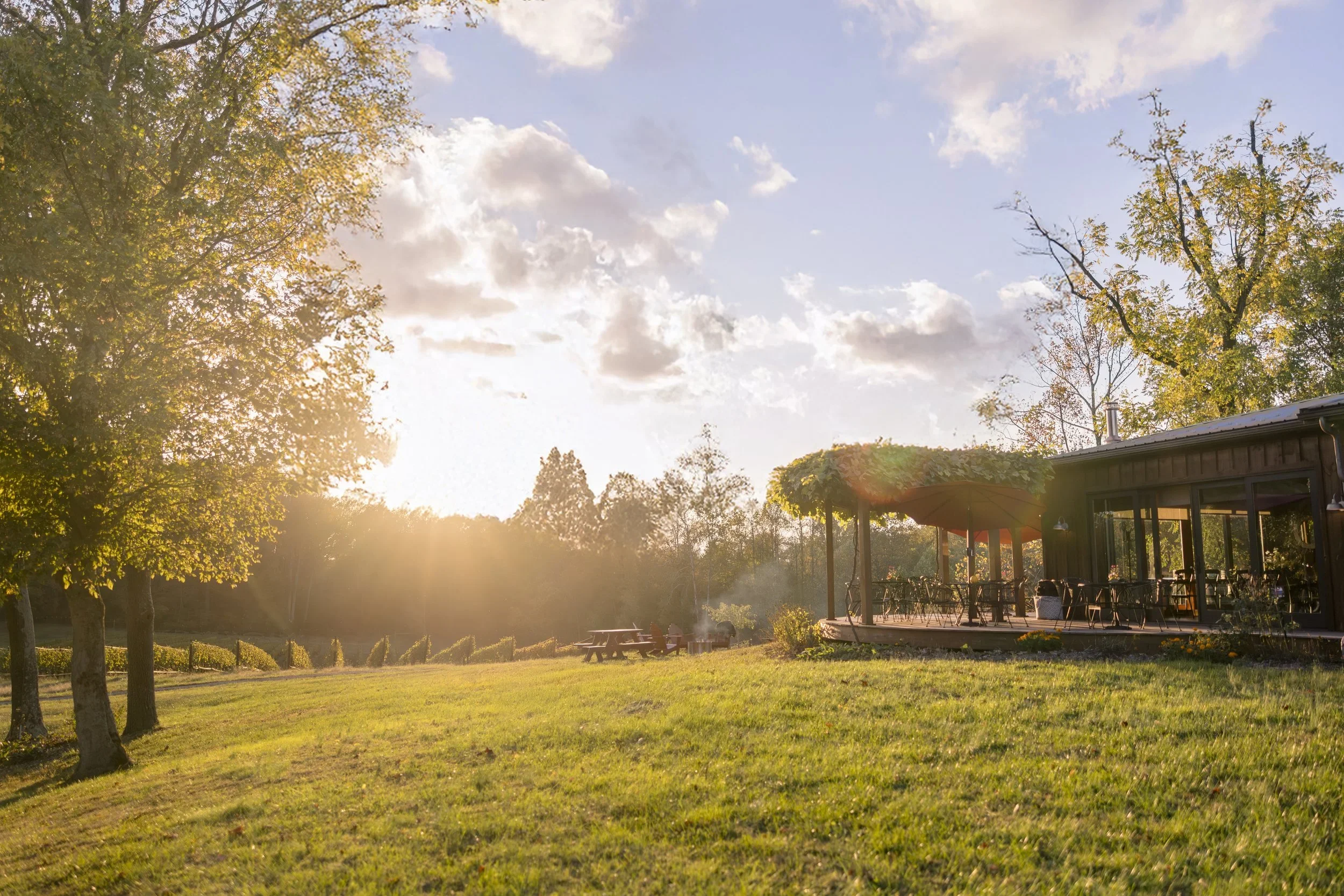
“Sitting outside at Dodon (or inside if the weather is iffy) is truly one of the best ways to unwind from day-to-day life. The scenery, the sipping…its truly a special place.”
— Lauren G., Trip Advisor
come see the vines. taste the wine. discover where it all begins.
Fridays 4-8pm
Saturdays 1-7pm
Sunday 1-6pm
Guided Tours & Tasting are appointments available Saturday & Sunday. We would love to introduce you to the vines and with a bit of luck, the Dodon sheep.
Reservations kindly requested so we are able to prepare a place for you.

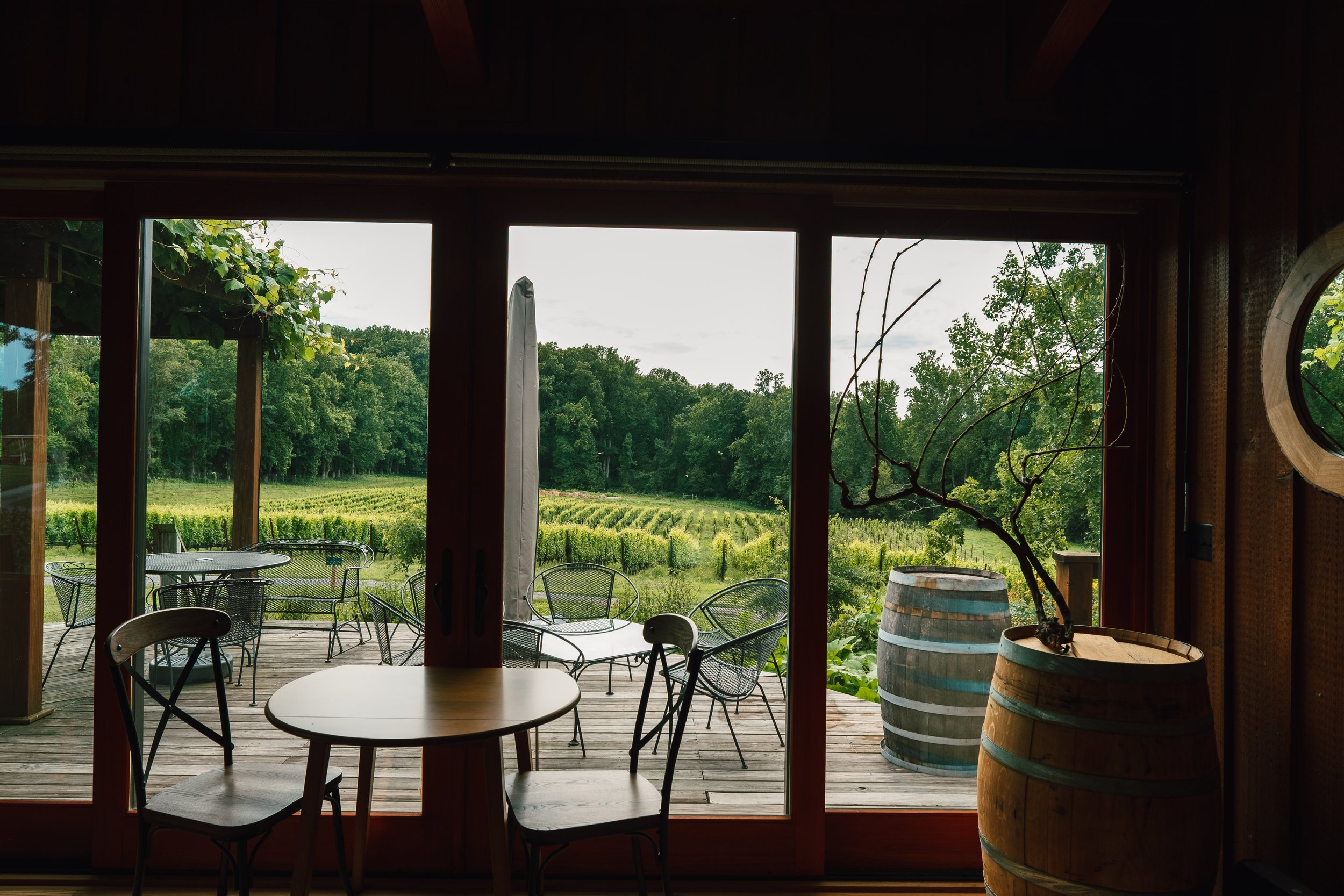
The Dodon tasting room sits at the heart of a living, working farm in Davidsonville, Maryland. Panoramic windows frame the estate vineyards where sheep and pigs graze, a window into the cellar keeps the winemaking process close, and pollinator gardens surround the property with the kind of quiet activity that reminds you good farming is always in motion. Settle in at the tasting room, or take your glass outside to the deck, gazebo, or pavilion.
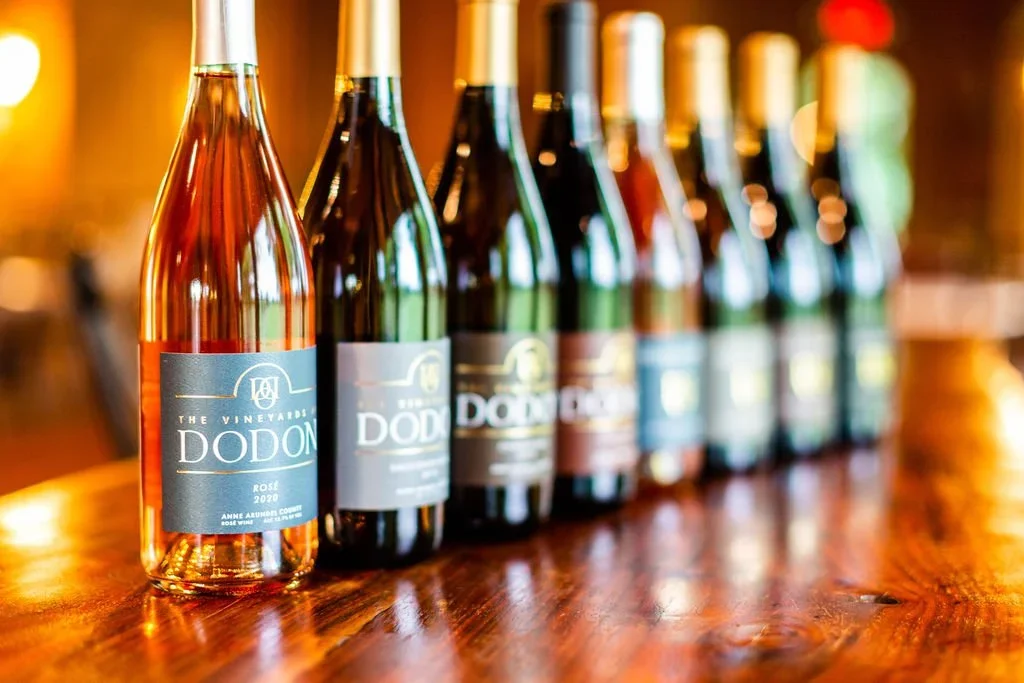
Our Wines
Our winemaking is rooted here — unpretentious by nature, precise by choice.
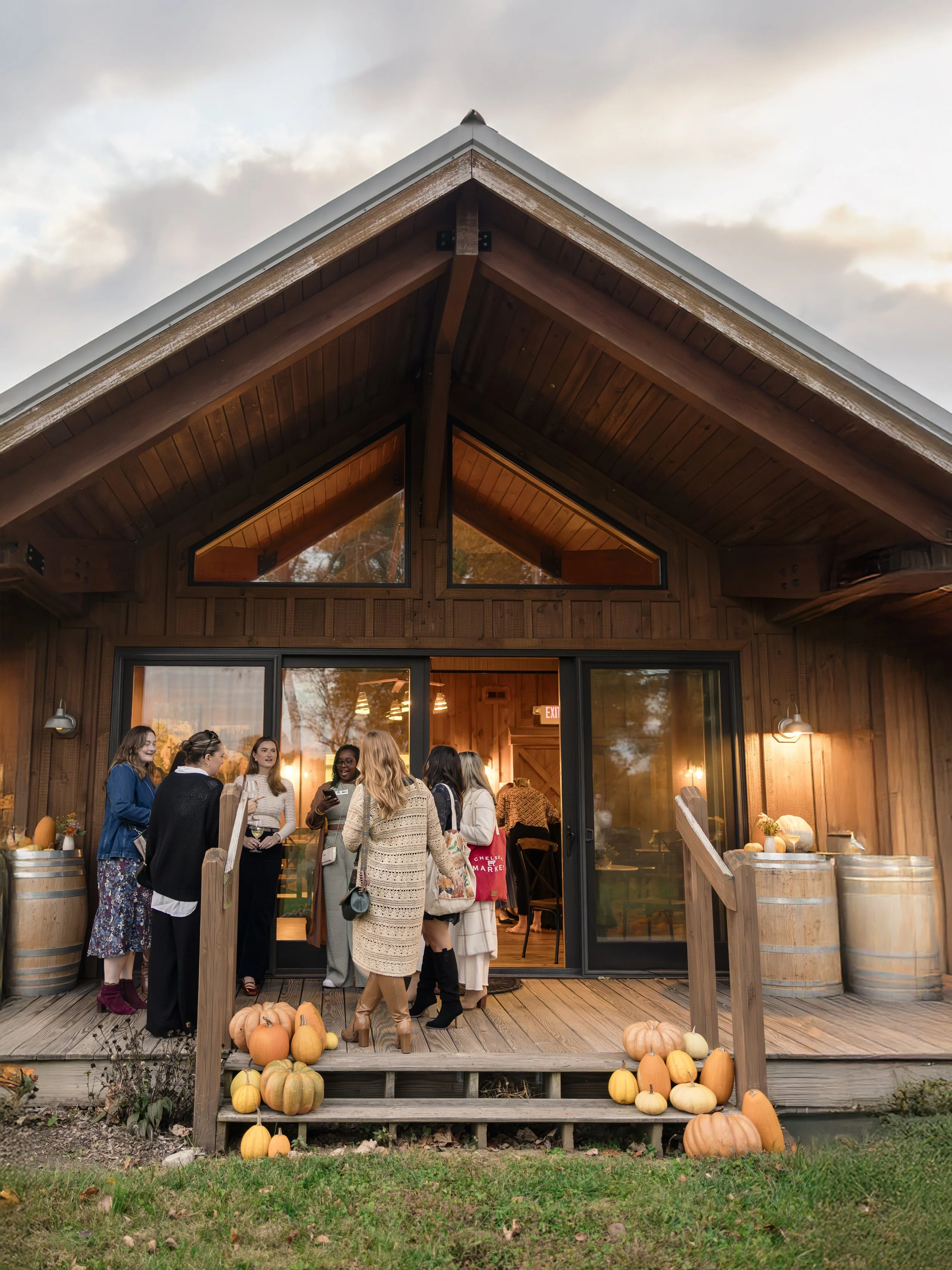
The Wine Club at Dodon
Joining means staying close to what we're growing — in the vineyard and in the community around it. Expect new releases, farm events, and great excuses to gather.
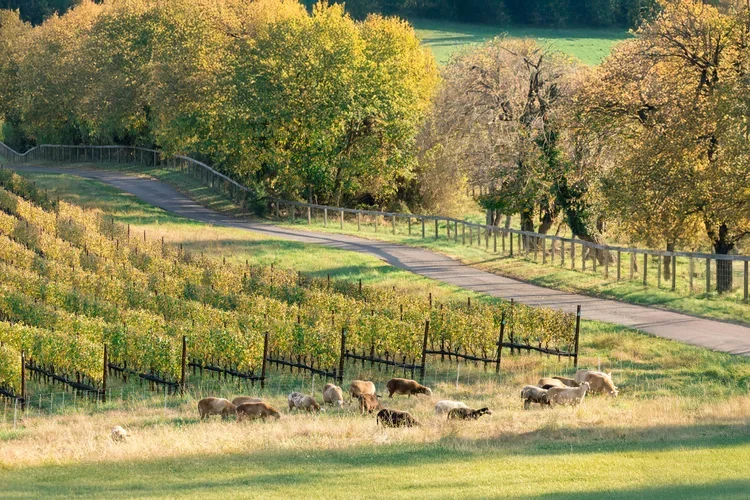
Our Philosophy
Our mission lives at the intersection of ecology, science, and deep responsibility to this land — guiding everything we grow, raise, and share.
On The Blog
Field notes from the Farm. Here’s what we are learning.
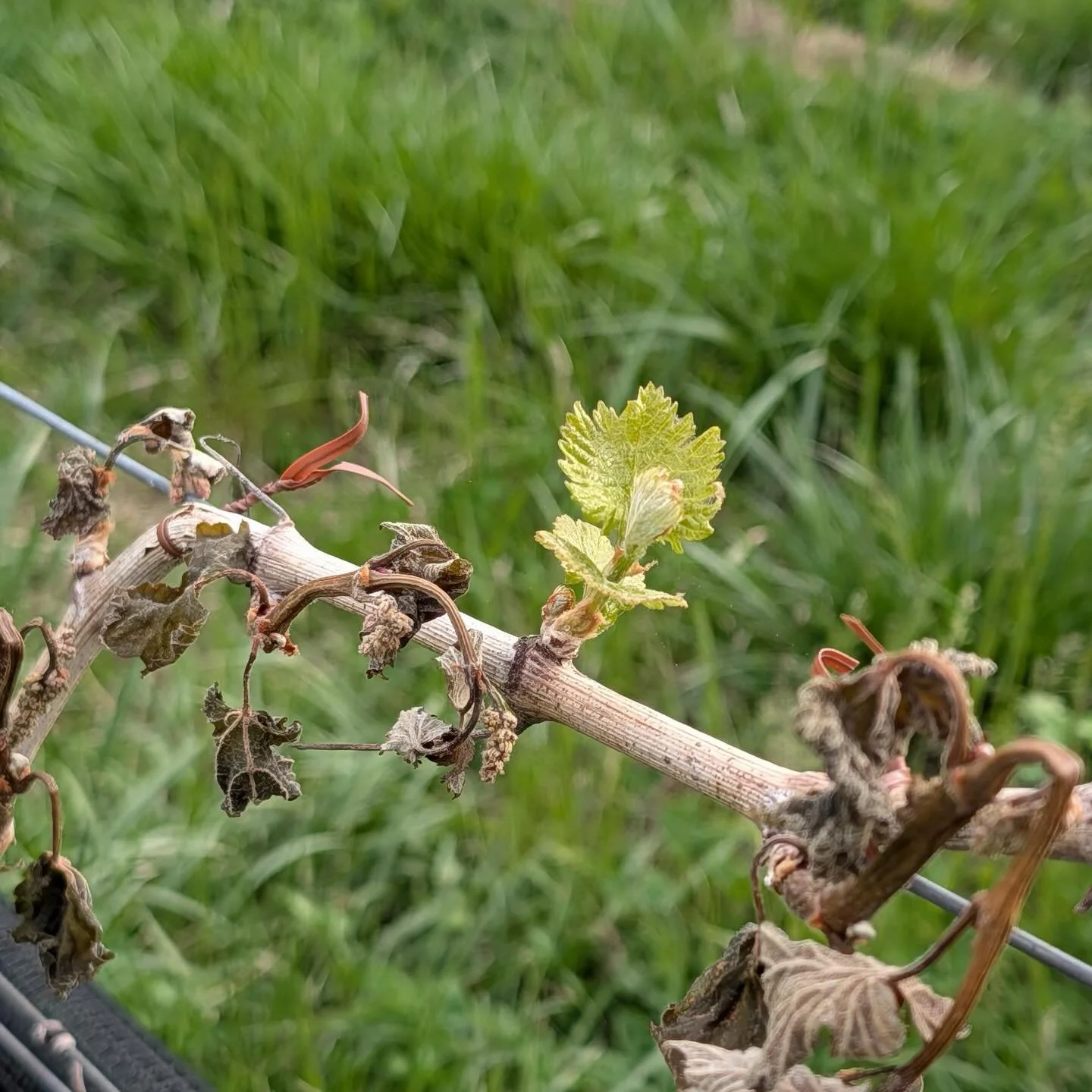
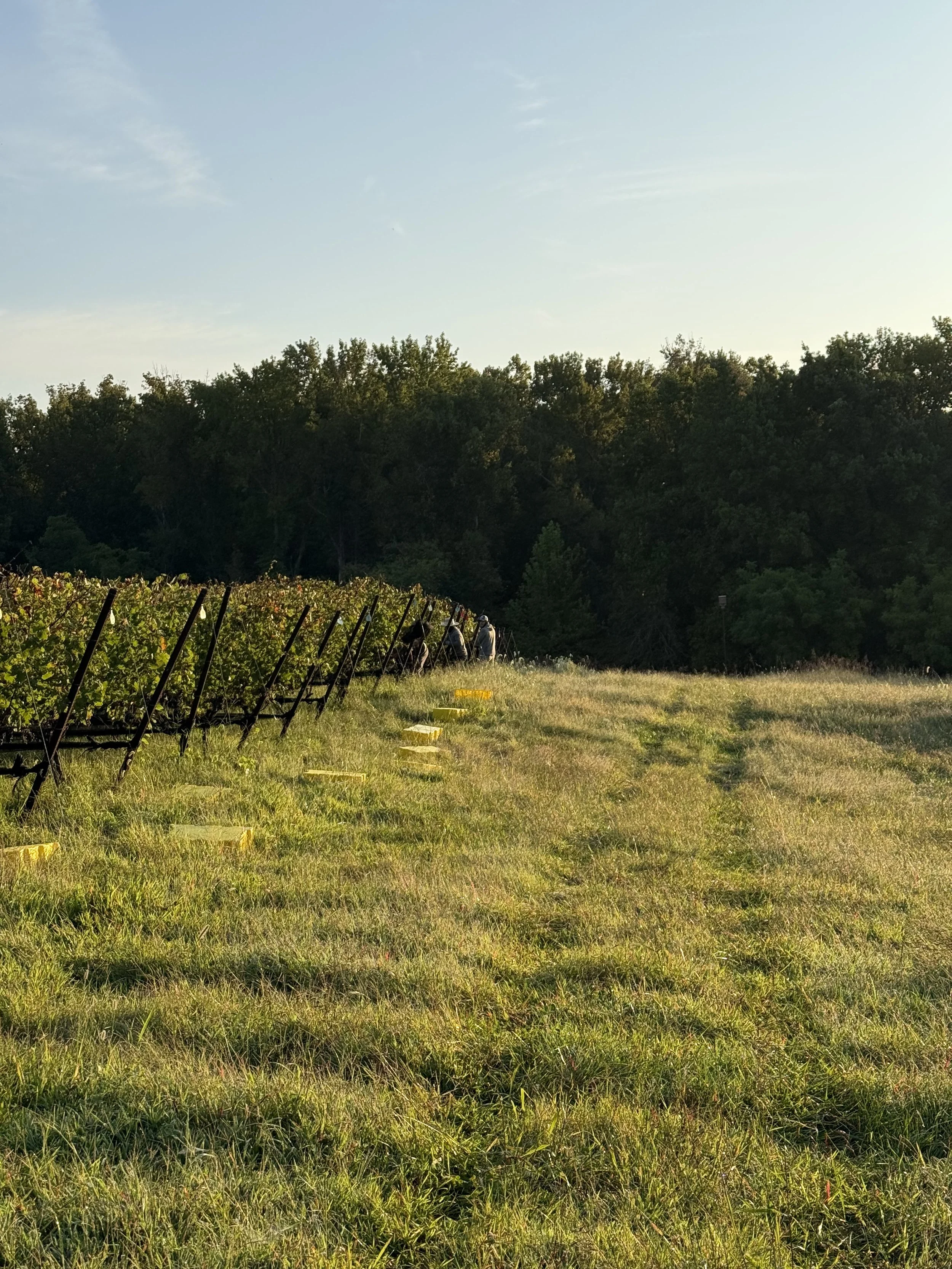
Polly and I were recently invited to attend the World Living Soils Forum in Arles. Hosted by Moët Hennessy, the wine and spirits division of LVMH, the forum celebrated the progress in advancing regenerative agriculture and rebuilding healthy soils. It gathered a remarkable community—growers, scientists, business people, and advocates—around the shared conviction that farming and living systems must be tended together. While regenerative agriculture as a means of improving soil health remained the focus, panels also covered biodiversity, agroforestry, water quality, and financing, with many highlighting the work of our colleagues from the Porto Protocol.